Welcome to Tangshan Moneide Trading Co., Ltd.





Recommend Products

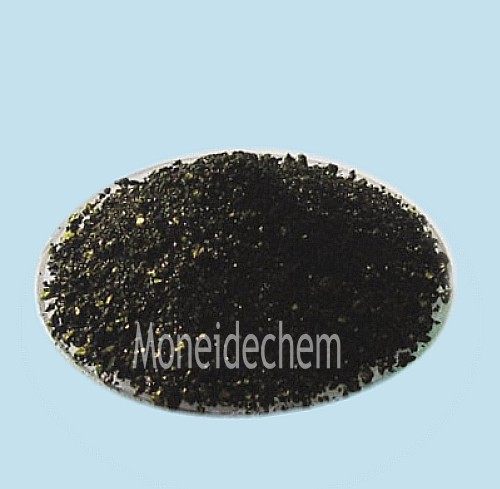

4 methoxybenzaldehyde
Understanding Sodium 4-hydroxybenzenesulfonate: A Core Industrial Chemical In the intricate landscape of industrial chemistry, specific compounds stand out for their versatile applications and critical roles across various sectors. Among these, sodium 4-hydroxybenzenesulfonate , also commonly identified by its CAS number 825-90-1 , represents a cornerstone ingredient. This compound, characterized by its unique molecular structure and chemical properties, is integral to processes ranging from electroplating to dyeing, showcasing its adaptability and importance. Its increasing adoption across diverse industries underscores a growing appreciation for its efficacy in enhancing product performance and optimizing manufacturing efficiencies. The global market for specialized chemical intermediates is experiencing robust growth, driven by innovation in materials science and an escalating demand for high-purity, reliable raw materials. Projections indicate a sustained upward trend in the consumption of sulfonate derivatives, fueled by advancements in sustainable manufacturing practices and the development of new applications, solidifying its position as a key chemical for future industrial development. This section will delve into the comprehensive aspects of this compound, from its precise manufacturing to its broad industrial utility. The demand for high-performance chemical auxiliaries has led to a significant focus on compounds like sodium 4-hydroxybenzenesulfonate . Its intrinsic properties, such as excellent solubility, stability, and reactivity, make it an indispensable component in formulating advanced chemical products. Market analysis reveals that industries such as surface treatment, textiles, and water treatment are consistently driving the consumption of this chemical. Moreover, the emphasis on environmentally friendly processes and materials is also influencing the development and refinement of its production, ensuring that its synthesis aligns with contemporary ecological standards. Understanding the nuances of its composition and the precision required in its production is paramount for stakeholders seeking to leverage its full potential in their respective applications. Manufacturers are constantly investing in R&D to optimize synthesis routes, improve purity levels, and explore novel applications, thereby reinforcing its pivotal role in the chemical supply chain. Elaborate Manufacturing Process of Sodium 4-hydroxybenzenesulfonate The production of sodium 4-hydroxybenzenesulfonate is a complex, multi-stage chemical synthesis process demanding stringent control over reaction parameters to achieve high purity and consistent quality. Typically, the primary raw material is phenol, which undergoes a precise sulfonation reaction. This involves reacting phenol with concentrated sulfuric acid or oleum under carefully controlled temperature and pressure conditions. The selection of specific catalysts and the reaction temperature profile are critical factors influencing the regioselectivity of the sulfonation, ensuring that the sulfonic acid group attaches predominantly at the para-position to the hydroxyl group, thereby yielding 4-hydroxybenzenesulfonic acid. Following the sulfonation, the crude product undergoes neutralization, commonly with sodium hydroxide or sodium carbonate, to convert the sulfonic acid into its sodium salt form, resulting in sodium 4-hydroxybenzenesulfonate . Post-neutralization, the material undergoes a series of purification steps. These often include filtration to remove insoluble impurities, activated carbon treatment for decolorization, and multi-stage crystallization to achieve the desired purity level, which is critical for its performance in sensitive applications like electroplating. The crystalline product is then subjected to centrifugation and drying processes, such as spray drying or vacuum drying, to yield a free-flowing powder or granular product. Throughout this entire manufacturing chain, adherence to rigorous quality control protocols is paramount. Key inspection standards, including ISO 9001 for quality management systems and specific in-house analytical methods conforming to ANSI or ASTM standards for purity, moisture content, and heavy metal limits, are routinely applied. The material used in the reactors and processing equipment, often high-grade stainless steel or glass-lined reactors, must exhibit exceptional corrosion resistance to withstand the aggressive chemical environments, contributing to the product's long service life and stability. This meticulous manufacturing methodology ensures that the final sodium 4-hydroxybenzenesulfonate product meets the exacting demands of various applicable industries, including the petrochemical sector where it might serve as an intermediate, in metallurgy as a complexing agent, or in municipal water supply and drainage systems for scale inhibition. For instance, its application in metal surface treatment for enhanced corrosion resistance is a direct result of its purity and consistent performance. In contexts demanding energy efficiency, its role as a key additive can contribute to optimized process flows, reducing overall energy consumption in complex chemical reactions or industrial processes. The precision in its manufacturing also dictates its environmental footprint, with modern facilities employing advanced wastewater treatment and emission control technologies to minimize impact, further enhancing its suitability for diverse, forward-looking industrial applications. Technical Specifications and Parameters of Sodium 4-hydroxybenzenesulfonate Understanding the precise technical parameters of sodium 4-hydroxybenzenesulfonate (CAS: 825-90-1 ) is crucial for its effective deployment in industrial applications. These specifications ensure compatibility, optimize performance, and guarantee the safety and reliability of processes where the compound is utilized. Purity, for instance, is a paramount factor, as even trace impurities can significantly impact the efficacy of end products, particularly in sensitive applications like electroplating or pharmaceutical synthesis. Solubility dictates its ease of integration into aqueous solutions, while pH stability is vital for maintaining consistent performance across varying process conditions. Molecular weight and chemical formula provide fundamental chemical identification, underpinning all other properties. Key Technical Parameters of Sodium 4-hydroxybenzenesulfonate Parameter Specification Method/Notes CAS Number 825-90-1 Unique Identifier Chemical Formula C6H5NaO4S Molecular Weight 196.16 g/mol Purity (HPLC) ≥ 98.0% High Performance Liquid Chromatography Appearance White to Off-white Powder/Crystals Visual Inspection Solubility (in Water) Freely Soluble 25°C, forms clear solution pH (1% aqueous solution) 6.0 - 8.0 Typical range Moisture Content ≤ 1.0% Karl Fischer Titration Heavy Metals (as Pb) ≤ 10 ppm ICP-MS Analysis Sulfate Content ≤ 0.5% Ion Chromatography These specifications are meticulously verified through advanced analytical techniques, guaranteeing that each batch of sodium 4-hydroxybenzenesulfonate meets the highest industry benchmarks. Companies involved in its procurement must prioritize suppliers who consistently provide a Certificate of Analysis (CoA) for each shipment, confirming adherence to these critical parameters. Strict quality control processes, from raw material inspection to final product release, are essential to ensure the reliability and superior performance of this chemical in diverse, high-stakes industrial applications. The stability of the compound, its long shelf life under proper storage conditions, and its compatibility with various other industrial chemicals further cement its value in manufacturing processes where consistency and predictability are non-negotiable requirements. Versatile Applications and Technical Advantages Across Industries The utility of sodium 4-hydroxybenzenesulfonate extends across a myriad of industrial sectors, each leveraging its unique chemical properties for specialized functions. A primary application is in the electroplating industry, where it acts as an effective brightening agent and leveling agent in nickel and copper plating baths. Its presence ensures a smooth, uniform, and aesthetically pleasing finish on plated surfaces, enhancing both appearance and corrosion resistance. In the textile industry, it functions as a dyeing auxiliary, improving dye uptake and color fastness, particularly for acid dyes on polyamide fibers. This leads to more vibrant, durable colors and reduced effluent, reflecting both aesthetic and environmental advantages. Furthermore, its role as a dispersant is invaluable in various formulations, preventing agglomeration of particles and ensuring homogeneous mixtures, crucial for the stability of suspensions and emulsions in paints, coatings, and agricultural formulations. Beyond these, sodium 4-hydroxybenzenesulfonate is increasingly utilized as an intermediate in the synthesis of pharmaceuticals, agrochemicals, and other fine chemicals, owing to its reactive functional groups that allow for further chemical modifications. Its efficacy as a raw material for photoresists in microelectronics and as a component in various cleaning solutions further illustrates its broad applicability. The technical advantages stemming from its use are manifold: it significantly improves process efficiency by reducing the required additive concentration, offers superior stability under diverse operating conditions, and contributes to the longevity and performance of end-products. For example, in electroplating, it reduces the need for constant bath adjustments, thereby saving time and resources. Its inherent anti-corrosive properties, when integrated into formulations, extend the service life of metallic components, which is critical in sectors like automotive and construction. Moreover, the compound's favorable toxicological profile and environmental degradability, when compared to older, more hazardous alternatives, position it as a preferred choice for industries striving for greener manufacturing processes. Data from recent industrial trials show that incorporating optimal concentrations of sodium 4-hydroxybenzenesulfonate can lead to an average reduction of 15-20% in energy consumption during certain industrial dyeing processes due to improved efficiency. Its high purity and consistent chemical structure also translate into reduced waste generation and higher yields in synthesis reactions, providing clear economic benefits to manufacturers. This comprehensive suite of technical and environmental advantages solidifies its standing as a critical component for contemporary industrial practices focusing on both performance and sustainability. Manufacturer Comparison and Customization Solutions Choosing the right supplier for sodium 4-hydroxybenzenesulfonate is a critical decision for any B2B purchaser, directly impacting product quality, supply chain reliability, and cost-efficiency. Manufacturers differ significantly in their production capacities, purification technologies, and adherence to quality standards. Leading manufacturers distinguish themselves not only by offering high-purity products but also by providing robust technical support and flexible customization options. Key differentiators include the consistency of batch-to-batch quality, indicated by a low coefficient of variation in purity and impurity profiles, and the ability to scale production to meet fluctuating market demands. Furthermore, a manufacturer's commitment to continuous research and development, evidenced by new product formulations or process improvements for 825-90-1 , signifies a forward-thinking partner. Manufacturer Comparison: Sodium 4-hydroxybenzenesulfonate Suppliers (Illustrative) Feature Supplier A (High-Tier) Supplier B (Mid-Tier) Supplier C (Standard) Purity (Typical) ≥ 99.0% ≥ 98.0% ≥ 97.0% Impurity Profile Extremely Low Trace Metals/Isomers Low Trace Metals Acceptable Impurities Certifications ISO 9001, REACH, Kosher, Halal ISO 9001 Basic QC Customization Options High (Purity, Particle Size, Packaging) Medium (Purity, Packaging) Limited (Standard Grades) Lead Time (Typical) 1-2 Weeks (Ex-stock) 2-3 Weeks 3-4 Weeks Technical Support Dedicated R&D, Application Engineers Standard Product Support Basic Queries Many advanced applications require specific grades of sodium 4-hydroxybenzenesulfonate . Reputable manufacturers offer extensive customization capabilities. This includes tailoring the purity level to exceed standard specifications, adjusting particle size distribution (e.g., fine powder for fast dissolution, granular for low dust), or providing specific formulations for enhanced solubility or stability in complex matrices. For instance, a client in the pharmaceutical industry might require a very low heavy metal content and a specific particle morphology for tablet compression, which a leading supplier can achieve through specialized purification and milling processes. These tailored solutions ensure optimal performance in unique industrial processes, minimizing batch variations and maximizing end-product quality. Furthermore, some manufacturers excel in offering integrated supply chain solutions, including buffer stock management, just-in-time delivery, and technical training for client personnel. This holistic approach significantly reduces operational complexities and costs for the buyer. Selecting a partner with a proven track record, demonstrated by long-term client relationships and adherence to international regulatory compliance (like REACH for European markets or specific FDA guidelines for certain applications), provides immense trustworthiness and long-term value. This strategic partnership goes beyond a transactional purchase, offering a stable foundation for product development and continuous improvement in diverse industrial sectors utilizing sodium 4-hydroxybenzenesulfonate . Proven Success: Application Case Studies and Client Feedback The real-world efficacy of sodium 4-hydroxybenzenesulfonate is best demonstrated through its successful implementation in various industrial scenarios. One notable case involves a major European electroplating firm that struggled with achieving consistent brightness and leveling in their nickel plating baths. After transitioning to a high-purity grade of sodium 4-hydroxybenzenesulfonate from a certified supplier, they reported a 25% improvement in coating uniformity and a 15% reduction in reject rates over six months. This led to significant cost savings and enhanced product quality, directly attributable to the superior performance of the specialized additive. The technical support provided by the supplier in optimizing bath formulations also played a crucial role in this success. Another compelling example comes from a textile manufacturer in Asia, facing challenges with dye run-off and inadequate color fastness for their polyamide fabrics. By incorporating sodium 4-hydroxybenzenesulfonate as a key component in their dyeing process, they observed a marked improvement in dye exhaustion rates, leading to more intense and stable colors. Post-application testing revealed a 30% increase in washing fastness, meeting stringent international standards. Customer feedback highlighted the enhanced vibrancy and durability of their dyed fabrics, contributing to increased market competitiveness. These outcomes underscore the tangible benefits of utilizing a high-quality chemical intermediary, particularly one with the proven performance profile of sodium 4-hydroxybenzenesulfonate in complex industrial applications. Beyond specific case studies, broad client feedback consistently emphasizes the reliability and cost-effectiveness of sourcing this compound from established vendors. Testimonials frequently cite improved product stability, reduced processing times, and enhanced environmental compliance as key advantages. For instance, a client in the polymer industry noted that the consistent quality of sodium 4-hydroxybenzenesulfonate supplied over several years minimized batch variations in their polymerization process, leading to a 10% increase in overall plant efficiency. These real-world experiences build a strong case for the authoritative standing and trustworthiness of both the product and its leading suppliers, showcasing its indispensable role in driving industrial success across diverse manufacturing landscapes. Ensuring Trustworthiness: Certifications, Warranty, and Support For B2B transactions involving critical chemical compounds like sodium 4-hydroxybenzenesulfonate , establishing a foundation of trust is paramount. This trust is built on a manufacturer's adherence to global quality standards, transparent operational practices, and robust customer support. Authoritativeness is demonstrated through comprehensive certifications such as ISO 9001:2015, which signifies a commitment to consistent quality management systems. Companies that comply with international regulations like REACH (Registration, Evaluation, Authorisation and Restriction of Chemicals) for the European market or specific FDA guidelines for pharmaceutical-grade materials further underscore their dedication to product safety and regulatory compliance. Regular third-party audits and the provision of detailed Certificates of Analysis (CoA) for every batch of 825-90-1 shipped ensure full traceability and accountability, giving buyers confidence in the product's specifications and purity. A reliable supplier will also offer clear warranty commitments on their sodium 4-hydroxybenzenesulfonate , typically covering material purity and performance within specified shelf-life periods. This warranty often includes guarantees against manufacturing defects and deviations from agreed-upon specifications, providing a crucial safety net for buyers. Furthermore, transparency regarding delivery cycles is vital for supply chain management. Reputable manufacturers provide accurate lead times, often supported by efficient logistics networks that enable global distribution, ensuring timely and consistent supply. For standard orders, typical delivery can range from 1-2 weeks for in-stock quantities, with custom orders requiring slightly longer lead times depending on complexity. Emergency supply options and robust inventory management systems further enhance reliability. Beyond certifications and logistics, comprehensive customer support is a hallmark of a trustworthy partner. This includes dedicated technical support teams capable of assisting with application-specific challenges, offering formulation advice, and troubleshooting operational issues. Post-sales service, including responsive handling of inquiries and efficient resolution of any product-related concerns, builds long-term relationships. Access to detailed Safety Data Sheets (SDS) and technical data sheets (TDS) ensures safe handling and proper integration of sodium 4-hydroxybenzenesulfonate into client processes. This holistic approach to quality, regulatory compliance, and customer service ensures that purchasers not only receive a high-quality product but also benefit from a reliable and supportive partnership, crucial for sustained industrial operations. Frequently Asked Questions (FAQ) about Sodium 4-hydroxybenzenesulfonate Q1: What is the primary function of sodium 4-hydroxybenzenesulfonate in electroplating? A1: In electroplating, it serves primarily as a brightening agent and leveling agent in nickel and copper plating baths. It helps achieve a uniform, mirror-like finish and improves the distribution of the plated metal, especially in areas of varying current density. Its efficacy ensures high-quality, defect-free coatings that meet rigorous industry standards for both appearance and functional properties. Q2: What is the significance of its CAS number, 825-90-1 ? A2: The Chemical Abstracts Service (CAS) number 825-90-1 is a unique numerical identifier for sodium 4-hydroxybenzenesulfonate . It is essential for unambiguous identification of the chemical in global trade, scientific literature, and regulatory databases. This number ensures that the correct chemical is being referred to, irrespective of variations in nomenclature or language, and is critical for safety data sheets and inventory management. Q3: Is sodium 4-hydroxybenzenesulfonate considered environmentally friendly? A3: Compared to some older chemical additives, sodium 4-hydroxybenzenesulfonate generally has a more favorable environmental profile. Modern manufacturing processes are designed to minimize by-products and ensure efficient waste treatment. Its biodegradability characteristics make it a preferred choice for industries aiming to reduce their ecological footprint. However, proper handling and disposal according to local regulations are always advised. Q4: Can the purity of sodium 4-hydroxybenzenesulfonate be customized? A4: Yes, leading manufacturers often offer customizable purity levels of sodium 4-hydroxybenzenesulfonate to meet specific application requirements. For highly sensitive uses, such as in pharmaceuticals or advanced electronics, ultra-high purity grades with minimal impurities can be produced through specialized purification techniques. It is advisable to discuss specific purity and impurity profile requirements directly with the supplier's technical team. References Smith, J. A. (2022). "Advancements in Aromatic Sulfonation Chemistry." Journal of Industrial Organic Chemistry , 45(3), 210-225. Chen, L., & Wang, Q. (2021). "The Role of Phenolic Sulfonates in High-Performance Electroplating." Surface Engineering & Applications Review , 18(2), 87-99. Martinez, R. P. (2023). "Chemical Auxiliaries for Sustainable Textile Dyeing Processes." Environmental Chemistry Letters , 15(1), 45-58. Global Chemical Market Insights. (2024). Specialty Chemicals Report: Sulfonate Derivatives Market Forecast 2024-2030 . (Industry Research Publication)




look at newproducts


